By Dr. Eakramul Haque, BDS (DU), Founder & Managing Director, Creative Consultancy
When I started advising students in 2021, I thought I understood medical education. I had studied dentistry. I knew the late nights, the exams and the clinical pressure.
But knowing one system is very different from understanding many.
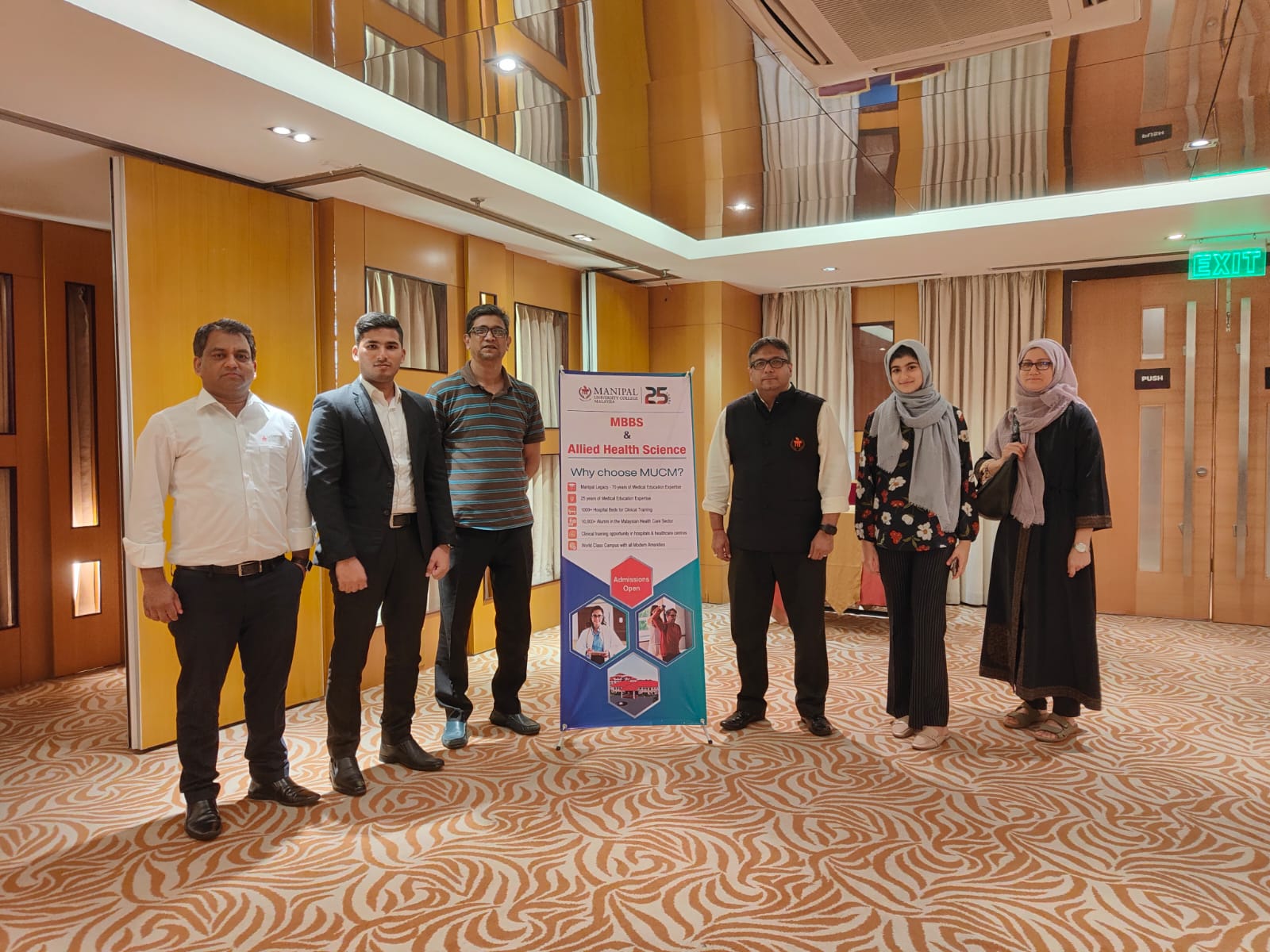
Since then, I’ve travelled to more than 30 countries to look at medical and healthcare education up close: campuses, laboratories, libraries and teaching environments. This post isn’t a list of countries I’ve visited. It’s what those journeys taught me, in plain words, for the students and parents who are trying to make one of the biggest decisions of their lives.
“MBBS” sounds like one thing. It isn’t.
Some countries offer direct-entry programs after secondary school. Others, like many Doctor of Medicine programs in the Philippines, follow a graduate-entry model with premedical requirements. Course length, structure, teaching style and assessment all change from place to place.
So when a student says, “I want to study medicine in [country],” my first thought is: which kind of program, and does it fit you?
It is tempting to say “Malaysia is good” or “Kyrgyzstan is affordable.” But two universities in the same country can be very different in curriculum, facilities, clinical exposure and recognition.
That’s why we encourage students to evaluate individual institutions, never just a flag on a map. The country is where you’ll live. The university is what shapes your training.
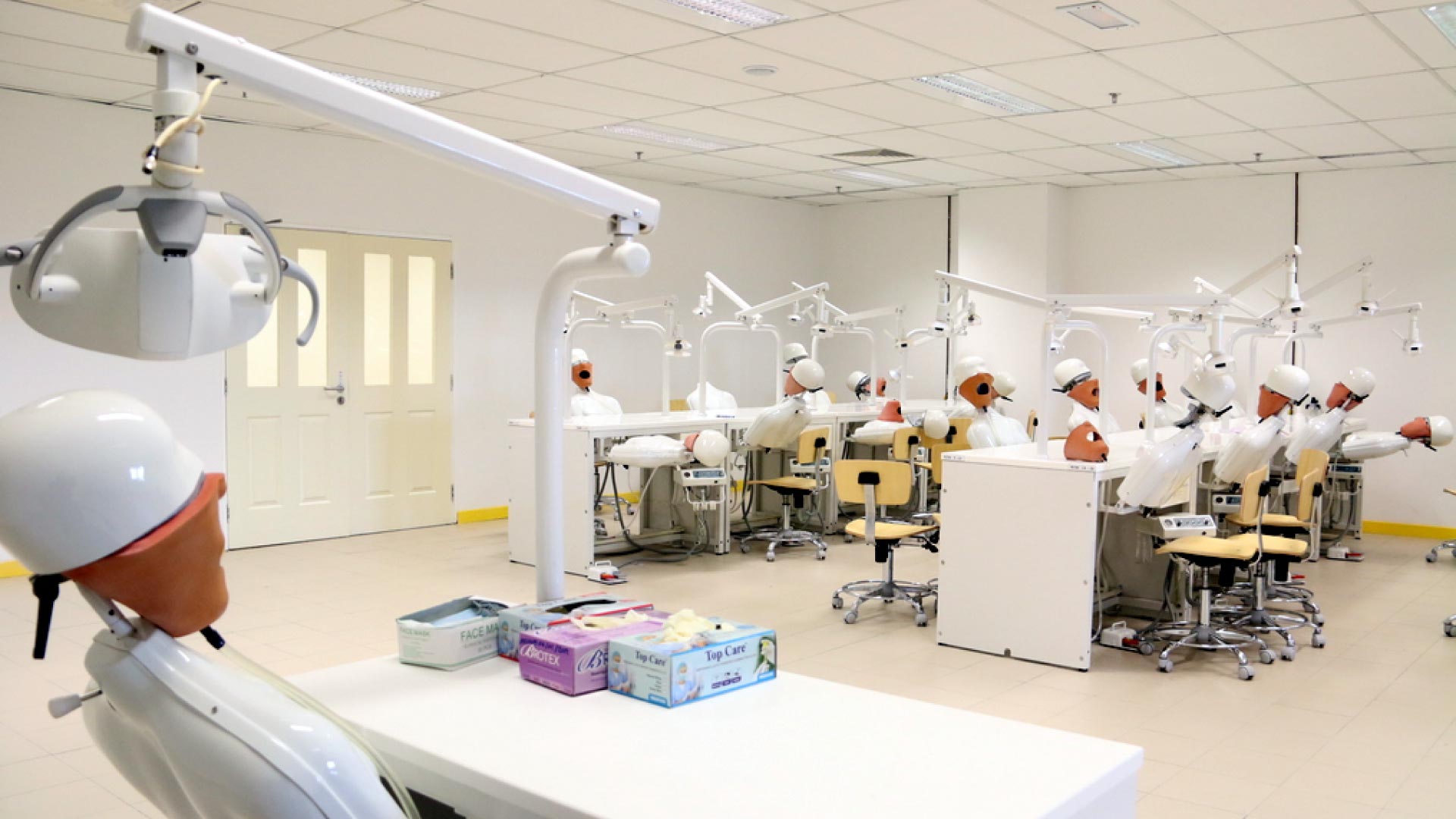
Lectures matter. But the moment a student stands beside a real patient is when learning becomes real.
The questions I now ask everywhere I go:
Where does clinical training take place?
When do students first enter the hospital?
How much hands-on experience do students actually get?
In which language will patients be spoken to?
A beautiful building tells you little. The clinical pathway tells you a lot.
I’ve read hundreds of university brochures. They’re useful, but they are also marketing.
Walking through a library, looking at a laboratory, seeing how a program is organised: these things give you a feeling a PDF never can. I’m not saying every student must travel before choosing. But it’s why I believe advice should come from people who have looked beyond the brochure.
This is the lesson I wish every family heard first.
A medical degree is not recognised or unrecognised in a single universal way. It depends on your destination:
Returning to Bangladesh? Check the current requirements of the Bangladesh Medical and Dental Council (BMDC).
Dreaming of the USA? Look at ECFMG certification, USMLE and residency pathways.
Thinking of the UK? Understand General Medical Council (GMC) registration.
Australia, Canada or New Zealand? Each has its own assessment and registration route.
These rules change, so always confirm with the official authority. A university that suits one student’s goal may not suit another’s, even with identical grades.
Medical study takes years. Over that time the real cost includes accommodation, food, travel, insurance, visa renewals, books and exam fees, plus possible postgraduate expenses later.
Families deserve a realistic picture before they commit, not a surprise in year three.
Many programs are taught in English. But a doctor eventually talks with patients, nurses and colleagues. Students should understand what language their clinical years will involve, and how well they will cope with it.
I’ve met students who were excited by a famous name and students who were anxious about a lesser-known one. The right choice was rarely the one with the best ranking. It was the one that fit the student’s academic level, budget, personality and goals.
A good university is not automatically a good university for you.
After the offer letter come new cities, new teaching styles, new exams, and later, licensing and career decisions. Students often have more questions after admission than before.
That’s why I want Creative Consultancy to remain a place students can return to for advice, long after the application is over.
I can’t promise a visa. I can’t promise a scholarship. I can’t promise that a degree guarantees a licence, a residency or a job. Many things depend on embassies, universities, regulators and the student’s own effort.
What I can promise is realistic information and honest advice, including the parts that are harder to hear.
Decide where you want to practise, then work backwards.
Compare universities, not just countries.
Ask where clinical training happens, and when it starts.
Check recognition with the official authority of your target country.
Work out the full cost for the whole course.
Be wary of anyone who guarantees outcomes they cannot control.
Choose a counsellor who stays with you after admission.
My travels also shaped Creative Consultancy. Our medical work began in 2021 with MBBS and BDS students. Malaysia became an important destination, and in Kyrgyzstan I say our team has supported around 500 students. As students asked for more, we grew into a wider study abroad consultancy, with the CCApply platform connecting students, agents and institutions.
Through all of it, the lesson stays the same: think about the student’s future before choosing the university, not after finishing the degree.
Which country is best to study MBBS abroad?
There isn’t one best country. It depends on your academic profile, budget, language comfort and where you want to practise. Compare individual universities and their recognition for your target country.
Is studying medicine abroad worth it for Bangladeshi students?
For some students it is, but consider eligibility, total cost, clinical training and registration requirements, including BMDC rules if you plan to return home.
How do I check whether a medical university is recognised?
Check with the official regulator of the country where you plan to practise (for example BMDC, ECFMG, GMC or AMC), and confirm the university’s accreditation. Don’t rely only on what a university or agent says.
Does Creative Consultancy guarantee admission, visa or scholarship?
No. Those decisions belong to universities, embassies and scholarship providers. We offer honest guidance and careful preparation.
Which countries has Dr. Haque explored?
Countries across Asia, Europe, Africa, the Americas and Oceania, including Malaysia, Kyrgyzstan, Hungary, Poland, Romania, Georgia, Egypt, the Philippines, Russia, China, the UK, Australia and New Zealand.
Where is the Creative Consultancy office?
Ka-7/B, Bashundhara R/A Main Road, Dhaka-1229, Bangladesh.
You don’t need all the answers today. You just need a good first conversation.
👉 Book a free consultation at ccapply.com or call +8801788521234.
Related reading: Why a Healthcare Graduate’s Perspective Matters in MBBS Abroad Counselling · Dr. Eakramul Haque, BDS (DU): The Doctor Behind Creative Consultancy · Beyond Admission, Beyond Borders
More posts you may want to read.
Top 10 Private Universities in Malaysia for Bangladeshi Students in 2027: Courses, Scholarships, Costs & Admission Guide By Dr. Eakramul Haque, BDS (DU) Founder & Managing Director, Creative Consultancy Updated: October 2026 | Study in Malaysia Guide 2027 Choosing a university abroad is one of the biggest educational decisions a student and their family will make. For many Bangladeshi students, Malaysia is an attractive option because it offers English-medium education, a wide choice of academic programmes and different tuition-fee options. But once you start researching universities, things can become confusing. Should you choose a university because of its world ranking? Is a university with higher tuition fees necessarily better? Which institution is suitable for Artificial Intelligence, Business, Engineering or Medicine? And how do you know whether your degree will be recognised when you return to Bangladesh? These are questions we regularly discuss with students and parents at Creative Consultancy. Since establishing Creative Consultancy in 2021, I have worked in international education, with a particular focus on helping students understand their academic options and future career pathways. One thing I have learned is that choosing the right university requires more than comparing names and rankings. A university should match the student's academic qualifications, interests, financial situation and long-term goals. In this guide, we will look at 10 private universities in Malaysia for Bangladeshi students planning to study in 2027 , including their popular academic fields, admission considerations, scholarships, tuition costs and student visa requirements. The purpose is simple: to help you make an informed decision before investing your time and money. Why Study in Malaysia from Bangladesh? Malaysia has become a familiar destination for Bangladeshi students pursuing higher education abroad. There are several reasons why students and families consider it. 1. English-Medium Education Many Malaysian private universities offer programmes taught in English. For students who want to develop their academic knowledge and communication skills in an international environment, this can be an advantage. However, English language requirements vary by university and programme. Students should confirm whether IELTS, TOEFL, PTE or another accepted qualification is required. 2. Different Tuition-Fee Options Malaysia offers private universities across several price ranges. Students can compare institutions based on their budget, selected programme, scholarship eligibility and living expenses. A Business or Computer Science degree may have a very different cost structure from an MBBS or Dentistry programme. 3. International Academic Opportunities Some Malaysian private universities have academic partnerships with institutions in countries such as the UK and Australia. Depending on the programme, students may find dual-award degrees, credit-transfer arrangements or other international study pathways. These arrangements are programme-specific and should be confirmed before admission. 4. A Multicultural Environment Malaysia has students from different countries and cultural backgrounds. For Bangladeshi students, the availability of familiar food, established communities and international student services can help make the transition to university life easier. 5. A Wide Range of Academic Programmes Malaysian private universities offer programmes in areas including: Business and Management Computer Science and Information Technology Artificial Intelligence and Cyber Security Engineering Medicine and Dentistry Pharmacy and Nursing Hospitality and Tourism Psychology and Education Master's and PhD programmes Students should choose their subject first, then compare the universities that offer a suitable programme. Top 10 Private Universities in Malaysia for Bangladeshi Students The following universities have been selected as a practical shortlist for Bangladeshi students. This is an editorial guide rather than an official ranking of Malaysia's ten highest-ranked private universities. University Main Location Popular Academic Areas Taylor's University Subang Jaya Hospitality, Business, Architecture Asia Pacific University (APU) Kuala Lumpur AI, Cyber Security, Computer Science Sunway University Bandar Sunway Business, Computing, Hospitality UCSI University Kuala Lumpur Pharmacy, Engineering, Business INTI International University Nilai Business, Computing, Engineering SEGi University Kota Damansara Business, Healthcare, Education Management & Science University (MSU) Shah Alam Healthcare, Management, Hospitality IMU University Kuala Lumpur Medicine, Dentistry, Pharmacy University of Cyberjaya Cyberjaya Medicine, Pharmacy, Allied Health MAHSA University Bandar Saujana Putra Medicine, Dentistry, Nursing Let's look at what makes each university worth considering. 1. Taylor's University, Malaysia Location: Subang Jaya, Selangor Official Website: https://university.taylors.edu.my Taylor's University is one of Malaysia's established private universities, offering undergraduate and postgraduate education across several disciplines. It is particularly worth considering for students interested in Hospitality, Tourism, Business, Architecture and Design. The university's Lakeside Campus in Subang Jaya provides a distinctive learning environment, with academic buildings, student facilities and a central lake. Popular Study Areas Business and Management Hospitality Management Tourism and Events Computer Science Architecture Mass Communication Culinary Arts Psychology Medicine Why Consider Taylor's University? Taylor's may appeal to students who want to combine academic study with practical learning and exposure to industry-related activities. For example, a student interested in Hospitality Management should examine the programme's practical training arrangements, internship opportunities and course structure. Students should also compare tuition fees carefully, as Taylor's may require a higher budget than some other Malaysian private universities. Best suited for: Students interested in Hospitality, Tourism, Business, Architecture and related disciplines. 2. Asia Pacific University of Technology & Innovation (APU) Location: Bukit Jalil, Kuala Lumpur Official Website: https://www.apu.edu.my If your preferred subjects are Artificial Intelligence, Cyber Security, Data Science or Software Engineering, Asia Pacific University of Technology & Innovation deserves serious consideration. APU is a private Malaysian university with a strong focus on technology and computing education. It also offers programmes in Business, Finance, Accounting and other disciplines. Popular Study Areas Computer Science Artificial Intelligence Cyber Security Data Science Software Engineering Information Technology Financial Technology (FinTech) Game Development Business Management Accounting and Finance Why Consider APU? Technology-related careers require practical skills, problem-solving ability and a willingness to keep learning. Students considering APU should look closely at programme modules, software tools, project opportunities and internship arrangements. For example, someone interested in Cyber Security should examine whether the programme covers network security, digital forensics, ethical hacking and other relevant technical subjects. APU also offers postgraduate study opportunities for students interested in advanced computing disciplines. Is APU Suitable for Bangladeshi Students? APU may be a suitable option for students who have completed HSC, A Levels or an equivalent qualification and meet the relevant academic and English language requirements. Students should confirm Mathematics prerequisites and other subject-specific conditions before applying. Best suited for: Artificial Intelligence, Cyber Security, Computer Science, Data Science and Software Engineering students. 3. Sunway University, Malaysia Location: Bandar Sunway, Selangor Official Website: https://sunwayuniversity.edu.my Sunway University is another established private university offering programmes in Business, Computing, Hospitality, Science and other fields. The university is located in Bandar Sunway, an area with educational institutions, residential facilities, shopping centres and transport connections. For students moving abroad for the first time, the surrounding environment is an important part of university selection. Popular Study Areas Business Administration Accounting and Finance Computer Science Information Systems Hospitality Management Culinary Management Psychology Biological Sciences Communication Why Consider Sunway University? Sunway offers students opportunities to study in an international academic environment. It is worth comparing with Taylor's, APU and UCSI, depending on the chosen subject. Students should review the curriculum, degree-awarding arrangements, tuition fees and available financial assistance. Best suited for: Business, Accounting, Computing, Hospitality and Psychology students. 4. UCSI University, Malaysia Location: Kuala Lumpur, with other campus locations Official Website: https://www.ucsiuniversity.edu.my UCSI University is a multidisciplinary private university offering programmes in healthcare, engineering, business, music and several other fields. For Bangladeshi students who want to compare different academic options, UCSI offers a broad selection. Popular Study Areas Pharmacy Medicine Engineering Computer Science Business Administration Accounting and Finance Architecture Music Hospitality Management Why Consider UCSI University? UCSI is worth exploring for students interested in professional and technical disciplines. For example, a student considering Pharmacy should examine the programme's accreditation, laboratory facilities, practical training and future professional registration requirements. Similarly, Engineering applicants should review programme recognition and the requirements of relevant engineering bodies. Best suited for: Pharmacy, Engineering, Computing, Business and Music students. 5. INTI International University, Malaysia Location: Nilai, Negeri Sembilan Official Website: https://newinti.edu.my INTI International University is an established Malaysian private university offering programmes at undergraduate and postgraduate levels. It is a relevant option for Bangladeshi students interested in Business, Computing, Engineering and research-based higher education. INTI also has other institutions and campuses, so students should verify the exact location and awarding institution of their selected programme. Popular Study Areas Business Administration Management Computer Science Information Technology Engineering Accounting and Finance Biotechnology Education Master's programmes PhD programmes Why Consider INTI International University? INTI provides academic pathways for students at different stages of their education. For undergraduate applicants, programme content, tuition fees and academic eligibility should be the main considerations. For postgraduate research students, supervisor availability and research suitability are particularly important. A student applying for a PhD in Management, for example, should prepare a research proposal that matches the university's academic expertise. Postgraduate Opportunities INTI is worth considering for students interested in research-based Master's and doctoral programmes. Applicants should confirm the entry requirements, research mode, supervision arrangements and expected study duration. Best suited for: Business, Engineering, Computing, Education and postgraduate research applicants. 6. SEGi University, Malaysia Location: Kota Damansara, Selangor Official Website: https://www.segi.edu.my SEGi University offers programmes in Business, Computing, Engineering, Healthcare, Education and other disciplines. It may be a useful option for students comparing different programme structures, academic pathways and tuition fees. SEGi also operates colleges in Malaysia. Students should understand the difference between programmes delivered by SEGi University and those offered through SEGi Colleges. Popular Study Areas Business Management Computer Science Information Technology Engineering Medicine Dentistry Psychology Education Hospitality Management Why Consider SEGi University? SEGi offers a variety of academic options, and scholarships or tuition discounts may be available for eligible students. However, scholarship conditions can differ by programme and intake. Students should request written confirmation of the tuition fee, scholarship amount and any conditions attached to the award. Best suited for: Students considering Business, Computing, Engineering, Healthcare and Education. 7. Management & Science University (MSU) Location: Shah Alam, Selangor Official Website: https://www.msu.edu.my Management & Science University, commonly known as MSU, is a private university offering programmes in Healthcare, Management, Hospitality and other fields. It is worth considering for students interested in both professional healthcare education and business-related studies. Popular Study Areas Medicine Pharmacy Nursing Biomedical Science Healthcare Management Business Management Hospitality and Tourism Computer Science Postgraduate Research Why Consider MSU? MSU offers students several healthcare-related academic options. Students interested in Medicine, Pharmacy or Nursing should compare the curriculum, clinical training arrangements and professional accreditation. For postgraduate applicants, MSU also offers opportunities to explore research in relevant academic disciplines. Best suited for: Healthcare, Pharmacy, Nursing, Business and Hospitality students. 8. IMU University, Malaysia Location: Bukit Jalil, Kuala Lumpur Official Website: https://www.imu.edu.my IMU University, formerly known as International Medical University, is a Malaysian private university focused on medicine and health sciences. For Bangladeshi students who want to pursue a career in healthcare, IMU is an institution worth researching carefully. Popular Study Areas Medicine Dentistry Pharmacy Nursing Biomedical Science Nutrition Dietetics Psychology Other Health Sciences Why Consider IMU University? IMU offers academic pathways for students interested in healthcare professions. However, students should understand that completing a medical or healthcare degree does not automatically provide the right to practise in another country. Professional registration and licensing requirements differ between countries. For example, a Bangladeshi student planning to return home after completing MBBS should check the applicable requirements of the Bangladesh Medical and Dental Council before enrolling. Best suited for: Students interested in Medicine, Dentistry, Pharmacy and other health sciences. 9. University of Cyberjaya, Malaysia Location: Cyberjaya, Selangor Official Website: https://cyberjaya.edu.my The University of Cyberjaya is a Malaysian private university with a strong background in healthcare education. It offers programmes in Medicine, Pharmacy, Nursing, Allied Health, Business and other academic disciplines. Popular Study Areas Bachelor of Medicine and Bachelor of Surgery (MBBS) Pharmacy Nursing Physiotherapy Occupational Safety and Health Psychology Business Administration Biomedical-related Programmes Postgraduate Healthcare Programmes Why Consider the University of Cyberjaya? The university provides several academic pathways for students interested in healthcare. For example, a student who wants to work in the healthcare sector but is uncertain about MBBS can also explore Pharmacy, Physiotherapy, Nursing and other relevant programmes. Each profession has different responsibilities, training requirements and licensing pathways. Students should understand these differences before choosing a programme. Best suited for: MBBS, Pharmacy, Nursing, Physiotherapy and other healthcare-related students. 10. MAHSA University, Malaysia Location: Bandar Saujana Putra, Selangor Official Website: https://mahsa.edu.my MAHSA University is another Malaysian private university offering education in Medicine, Dentistry, Nursing, Pharmacy and other disciplines. It is particularly relevant for Bangladeshi students interested in healthcare professions. Popular Study Areas Medicine Dentistry Nursing Pharmacy Physiotherapy Biomedical Science Business Engineering Allied Health Sciences Why Consider MAHSA University? MAHSA provides several options for students who want to pursue healthcare-related education. Students should compare programme duration, clinical placements, accreditation and the requirements for professional registration after graduation. Best suited for: Medicine, Dentistry, Nursing, Pharmacy and Allied Health students. Which Private University in Malaysia Should You Choose? There is no single university that is right for every student. Your choice should depend on your subject, academic qualifications, budget and future plans. Here is a subject-based comparison to help you get started. Preferred Subject Universities Worth Comparing Artificial Intelligence APU, INTI, Sunway Cyber Security APU and other universities offering suitable accredited programmes Computer Science APU, Sunway, INTI, UCSI Business Management Taylor's, Sunway, INTI, SEGi Engineering UCSI, INTI, SEGi Hospitality and Tourism Taylor's, Sunway, MSU Medicine (MBBS) IMU, University of Cyberjaya, MAHSA, MSU Pharmacy IMU, UCSI, University of Cyberjaya, MSU Nursing MAHSA, MSU, University of Cyberjaya Master's and PhD INTI, APU, UCSI, MSU and other suitable universities These recommendations are intended as a starting point. Confirm that the exact programme is available for your preferred intake. How Much Does It Cost to Study in Malaysia from Bangladesh? The total cost of studying in Malaysia depends on several factors. These include the university, programme, duration, scholarship, accommodation and personal living expenses. A student choosing a three-year Business degree will usually have a different financial plan from someone pursuing a five-year MBBS programme. Before applying, students should request a complete fee breakdown. Main Expenses to Consider Tuition Fees: The total academic cost of the programme, including any required additional academic charges. Application and Registration Fees: Charges associated with processing and confirming admission. Student Visa Fees: EMGS, immigration and other applicable charges. Medical Insurance: Required coverage for international students. Accommodation: University residence or private housing. Living Expenses: Food, transport, mobile services and other personal costs. Travel Expenses: Flights and initial settlement costs. At Creative Consultancy, we encourage students to calculate their total expected cost before accepting an offer. A scholarship can reduce tuition expenses, but it may not cover accommodation, visa charges or living costs. Scholarships in Malaysia for Bangladeshi Students Many Malaysian private universities offer scholarships or financial assistance to eligible students. The amount and conditions depend on the institution, programme and intake. Some awards are based on academic results. Others may be offered through specific admission campaigns or university arrangements. Students should check: Whether they meet the scholarship requirements. How much tuition the scholarship covers. Whether it applies throughout the degree. Whether minimum academic results must be maintained. Whether the award can be combined with other discounts. Never assume that a scholarship advertised for one intake will automatically apply to the next. For the 2027 intake, applicants should request current scholarship details from the relevant university. Admission Requirements for Bangladeshi Students Admission requirements vary by programme and qualification level. After SSC Students who have completed SSC may be considered for selected diploma or other eligible academic pathways, depending on the institution's admission rules. SSC alone should not be assumed sufficient for direct entry into a bachelor's degree. After HSC Students who have completed HSC may apply for suitable undergraduate programmes, subject to academic equivalency and subject-specific requirements. For example, Engineering and Computing programmes may require Mathematics, while Medicine and Pharmacy have more specific science-related requirements. After a Bachelor's Degree Graduates may apply for relevant Master's programmes, depending on their academic background, CGPA and other admission requirements. After a Master's Degree Students interested in doctoral education can explore PhD programmes in relevant fields. Research-based applicants may need a research proposal, academic CV and evidence that suitable supervision is available. Commonly Required Documents Valid passport Academic certificates and transcripts Passport-sized photograph English language proficiency evidence, where required Additional university-specific documents Students applying for postgraduate research may need further supporting documents. Malaysia Student Visa Process for Bangladeshi Students Once a student receives an offer letter and completes the university's required admission steps, the Student Pass application process can begin. Education Malaysia Global Services (EMGS) supports the processing of international student applications, while immigration approval is issued by the relevant Malaysian authorities. General Student Visa Process Step 1: University Admission Apply to a suitable Malaysian university and receive an offer letter. Step 2: Document Preparation Prepare the passport, academic documents, health declaration and other required materials. Step 3: EMGS Application The Student Pass application is submitted through the appropriate official process. Step 4: Application Screening EMGS and the relevant authorities review the submitted information. Step 5: Visa Approval Letter If approved, the student receives an electronic Visa Approval Letter (eVAL). Step 6: Single-Entry Visa Bangladeshi applicants generally need to obtain the applicable Single-Entry Visa before travelling. Step 7: Travel to Malaysia Travel after receiving the necessary approvals and following the university's arrival instructions. Step 8: Post-Arrival Medical Screening Complete the required medical screening and subsequent Student Pass endorsement formalities. EMGS requires new international students to attend medical screening at an approved panel clinic within seven working days of arrival. Processing times vary. Students should apply early and should not assume that visa approval is guaranteed. For current information, visit the official EMGS website: https://visa.educationmalaysia.gov.my/ Are Malaysian Private Universities Recognised? Before choosing a university, students should verify the accreditation status of their selected programme. In Malaysia, the Malaysian Qualifications Agency (MQA) maintains the Malaysian Qualifications Register (MQR). Students can use the official register to review accredited qualifications. Official MQA Register: https://www.mqa.gov.my/mqr/english/eakrbyipts.cfm University recognition and programme accreditation are related but separate considerations. For regulated professions such as Medicine, Dentistry, Nursing, Pharmacy and Engineering, additional professional requirements may apply. Students planning to practise in Bangladesh should check the relevant Bangladeshi professional authority before admission. Can Bangladeshi Students Transfer Credits to Malaysia? Some Malaysian universities consider credit-transfer applications from students who have completed part of a degree in Bangladesh or another country. For example, a student who has completed several semesters of a BBA programme may be able to request a credit-transfer assessment. The university normally reviews: Previous academic transcripts Course outlines and syllabuses Credit hours Academic grades Programme compatibility Recognition of the previous institution The receiving university decides which credits, if any, can be transferred. Students should obtain a written assessment before leaving their current institution. Can International Students Work While Studying in Malaysia? International students in Malaysia are subject to immigration restrictions on employment. Part-time work may be permitted under specific conditions, including applicable approval requirements and restrictions on working periods and job categories. Students should verify current rules with the Malaysian Immigration Department and their university. We recommend preparing a financial plan that does not depend on part-time income. How Creative Consultancy Helps Bangladeshi Students Study in Malaysia At Creative Consultancy, we understand that students and parents need clear information before making an international education decision. Our work began in 2021, with a focus on helping students explore medical and dental education abroad. Over time, our services expanded to include other academic disciplines and Malaysian universities. Today, we assist students interested in programmes ranging from Foundation and Diploma studies to Bachelor's, Master's and PhD degrees. Our approach begins with a conversation. We want to understand what the student has studied, what they want to study next, how much their family can reasonably spend and what they hope to do after graduation. These details help us identify suitable options. University and Course Selection We help students compare universities based on their academic qualifications, subject preferences, budget and future plans. Admission Application Assistance Our team provides guidance on application forms, academic documents, admission requirements and university communication. Scholarship Guidance We help students understand available scholarship opportunities and the conditions attached to them. Student Visa Guidance We guide students through the required documents and relevant steps in the Malaysian Student Pass application process. Final approval remains with the Malaysian authorities. Pre-Departure Preparation We help students understand travel preparation, accommodation considerations and the requirements they should complete before arriving in Malaysia. Future Academic and Career Guidance For students pursuing professional programmes, particularly Medicine and healthcare-related degrees, we also discuss future licensing and postgraduate pathways. A student planning to practise medicine in Bangladesh may have different requirements from someone hoping to pursue medical registration in the UK, USA or Australia. Understanding these requirements early can help students avoid choosing a programme that does not match their professional plans. Our goal is to help students understand their options and make informed decisions about their education. Frequently Asked Questions About Studying in Malaysia 1. Which private university is best in Malaysia for Bangladeshi students? The best choice depends on your intended subject, budget and career goals. APU is worth comparing for technology-related programmes, while Taylor's and Sunway offer options in Business and Hospitality. Students interested in Medicine should examine institutions such as IMU, University of Cyberjaya, MAHSA and MSU. 2. Can I study in Malaysia after HSC from Bangladesh? Yes. HSC graduates may qualify for selected bachelor's programmes, subject to the university's academic equivalency assessment and programme-specific requirements. 3. Is IELTS mandatory for studying in Malaysia? English language requirements depend on the university, programme and applicable Student Pass rules. Some institutions accept alternative English proficiency qualifications. Applicants should confirm both admission and immigration requirements. 4. Which university is suitable for Artificial Intelligence in Malaysia? APU is one option worth considering. Students can also explore suitable computing and AI-related programmes at other Malaysian universities, depending on their academic qualifications and interests. 5. Can Bangladeshi students study MBBS in Malaysia? Yes, subject to eligibility and admission requirements. Students should check the selected programme's accreditation and applicable professional recognition requirements before enrolling. 6. Are scholarships available in Malaysian private universities? Yes. Scholarships and tuition discounts may be available to eligible international students. Conditions differ between universities, programmes and intakes. 7. Can I study in Malaysia without IELTS? Some applicants may qualify through accepted alternative English language evidence. However, university admission requirements and Student Pass requirements must both be satisfied. 8. Can I bring my spouse or children while studying in Malaysia? Dependent eligibility is subject to Malaysian immigration rules, the student's qualification level and other applicable conditions. Students should confirm their specific eligibility before making plans. 9. Can I transfer credits from Bangladesh to Malaysia? Some universities allow credit-transfer applications. Approval depends on the receiving university's assessment of previous academic work. 10. How can I apply to a Malaysian university through Creative Consultancy? You can contact Creative Consultancy with your academic qualifications, preferred subject and estimated budget. Our team can help you compare suitable programmes and understand the application requirements. Final Thoughts: The Right University Depends on Your Goals When choosing a university in Malaysia, do not make your decision based only on rankings, advertisements or scholarship percentages. Think about what you want to study and what you hope to do after completing your degree. If you are interested in Artificial Intelligence, compare universities that offer suitable computing programmes. If you want to become a doctor, look carefully at medical accreditation, clinical training and future licensing requirements. If your goal is Business or Management, examine the curriculum, internship opportunities and total tuition costs. Most importantly, discuss the financial commitment with your family and make sure you understand the full programme requirements. A good university choice is one that fits your academic ability, budget and future plans. At Creative Consultancy, we are here to help students and families understand those choices. Apply to Study in Malaysia with Creative Consultancy Are you planning to study in Malaysia for the 2027 intake ? Whether you are interested in Business, Computer Science, Artificial Intelligence, Engineering, Medicine, Pharmacy, Nursing, Hospitality or postgraduate research, our team can help you explore suitable university options. Contact us to discuss your academic qualifications, preferred programme, admission requirements and available scholarships. CREATIVE CONSULTANCY Your Dream, Our Guidance. Founder & Managing Director: Dr. Eakramul Haque, BDS (DU) Office Address: Creative Consultancy Ka-7/B, Bashundhara R/A Main Road Dhaka 1229, Bangladesh Contact Numbers: +8801788521234 +8801332106562 +8801332106563 Official Websites: https://www.creativeconsultancy.com.bd https://ccapply.com Start your Malaysia university application with Creative Consultancy. Disclaimer: This article is intended for general educational guidance. University programmes, fees, scholarships, admission requirements and immigration rules may change. Students should verify the latest information with the relevant university, EMGS, MQA and professional regulatory authorities before making a final decision.
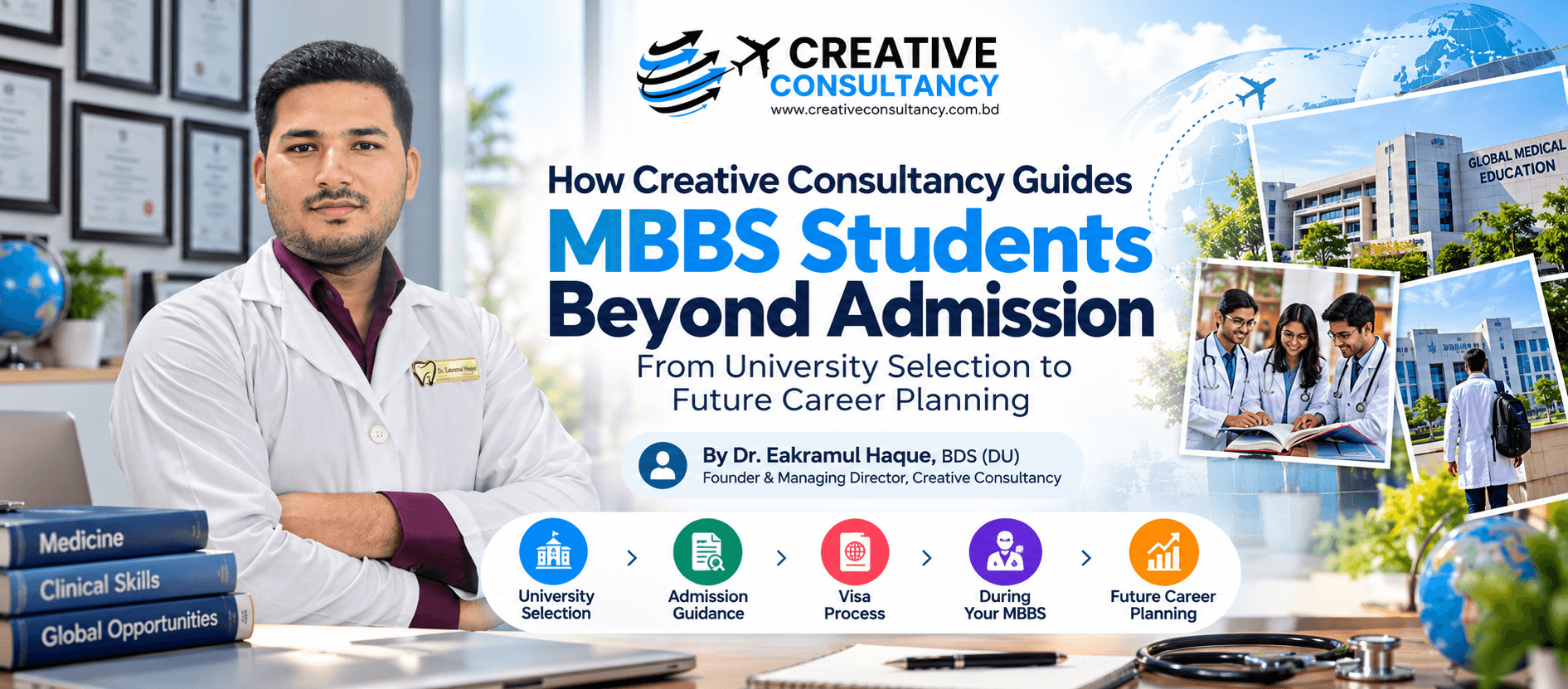
How Creative Consultancy Guides MBBS Students Beyond Admission: From University Selection to Future Career Planning By Dr. Eakramul Haque, BDS (DU) Founder & Managing Director, Creative Consultancy Updated: October 2026 | MBBS Abroad & International Medical Career Guidance Your Dream Is to Become a Doctor. But Have You Planned What Comes After MBBS? Every year, students in Bangladesh begin preparing to study MBBS abroad. Some have recently completed HSC, while others have spent months researching medical universities, admission requirements, tuition fees and scholarships. For most students, the immediate goal is simple: secure admission to a recognised medical university and begin studying medicine. But there is a question that deserves attention long before admission. What will you do after completing your MBBS degree? Will you return to Bangladesh and apply for medical registration? Do you want to pursue postgraduate medical training in the United States? Are you interested in practising in the United Kingdom, Australia, Canada or New Zealand? Your answer can influence which medical university you should choose today. An MBBS degree typically requires several years of academic and clinical education. It also involves a significant financial commitment from students and their families. Choosing a university without understanding its recognition, clinical training arrangements or future licensing implications can create difficulties after graduation. At Creative Consultancy , our approach to international medical education begins with these long-term questions. We help students explore medical universities abroad, understand admission requirements, prepare applications and plan for the academic and professional steps that may follow graduation. Our objective is to help students make informed decisions about their medical education, beginning before they receive their first offer letter. 1. Our Journey in International Medical Education Creative Consultancy began its journey in 2021 with a focus on helping students pursue medical and dental education abroad. As Founder and Managing Director, I have always considered medical education counselling a responsibility that requires particular care. My academic background in dentistry has given me firsthand experience of the demands of healthcare education, including anatomy, physiology, pathology, clinical examinations, patient care and professional training. Studying medicine or dentistry involves much more than completing classroom lectures. Students must develop clinical knowledge, practical skills, professional judgement and the ability to communicate with patients. These responsibilities continue after graduation. Over time, Creative Consultancy has worked with students interested in medical education across multiple countries, including Malaysia, Kyrgyzstan, Georgia, Egypt, China, Russia, Uzbekistan, Kazakhstan, Hungary, Poland, Romania, Serbia and Bosnia and Herzegovina. We have also handled international education enquiries and student cases involving other destinations. However, the suitability of a particular medical university depends on the student's academic background, budget and intended career pathway. Our experience in international medical admissions informs the way we guide students, but each university and qualification must still be assessed individually. 2. We Start with Career Planning Before University Selection One of the first questions we ask prospective medical students is: Where do you want to practise medicine after graduation? Some students want to return to Bangladesh. Others are interested in postgraduate training and medical practice abroad. A student hoping to practise in the United States may need to consider ECFMG eligibility before selecting a medical school. A student planning to return to Bangladesh needs to understand BMDC requirements for foreign medical graduates. Someone interested in Australia or the United Kingdom must investigate the recognition and registration rules established by the relevant medical regulators. This is why we encourage students to plan backwards from their intended career. Understanding Each Student's Situation Before recommending a medical university, we consider: SSC and HSC academic qualifications Science subject background English-language ability Preferred study destination Family budget and financial planning Intended country of medical practice Interest in postgraduate medical education Personal circumstances that may affect studying abroad Not every student has a definite career destination at the age of 18 or 19. That is understandable. When a student remains undecided, we explain the importance of choosing a medical programme that preserves as many realistic future options as possible, subject to the relevant eligibility requirements. 3. Selecting the Right Medical University Abroad A university's reputation, location or tuition fee should never be the only reason for choosing it. Medical students need to consider several additional factors. Recognition and Accreditation Before applying, students should investigate whether the medical school is appropriately recognised in its home country. They should also check whether the qualification meets the requirements of the country where they intend to practise. Recognition for one purpose does not automatically mean recognition for every country or licensing pathway. World Directory of Medical Schools The World Directory of Medical Schools is an important resource for students researching international medical schools. However, students should understand that appearing in the World Directory does not, by itself, mean that a medical qualification is recognised for every professional purpose. For students considering the United States, ECFMG eligibility requires checking the relevant ECFMG Sponsor Note in the medical school's World Directory listing, including the applicable graduation years. Clinical Training and Teaching Hospitals Medical students should investigate where clinical training takes place. Important questions include: Does the university have approved clinical training arrangements? Which hospitals are used for clinical placements? How is clinical training organised? What patient exposure can students expect? What language is used during clinical training? How are clinical skills assessed? A programme may be advertised as English-medium while patients and hospital staff primarily communicate in another language. Students should understand these practical conditions before enrolling. Programme Duration and Internship Medical programme structures differ between countries. Students should verify the academic duration, clinical rotations, internship arrangements and whether any additional supervised training is required after graduation. The internship or clinical experience accepted in one country may not satisfy the registration requirements of another. At Creative Consultancy, we help students identify these questions and review the information available from universities and official regulators. 4. Understanding the Real Cost of Studying MBBS Abroad For most Bangladeshi families, financing an overseas medical degree is a major decision. Some universities advertise relatively low annual tuition fees, but students need to consider the cost of completing the entire programme. Expenses may include: Tuition fees throughout the programme Admission and university registration charges Visa and immigration fees Accommodation and food Medical insurance Travel expenses Books and study materials Clinical training-related charges Examination and administrative fees Additional internship expenses, where applicable Currency exchange rates may also affect the amount families need to pay over several years. We encourage students to request a written fee schedule and understand which charges are included. Families should also ask about annual tuition increases, refund policies, payment deadlines and additional costs that may arise during clinical training. A university may appear affordable in the first year but become difficult to finance later. The right financial decision considers the cost of graduation, not simply the cost of admission. 5. Medical University Admission and Documentation Support After identifying suitable medical universities, students need to complete the admission process. Admission requirements vary by institution and destination. Documents may include academic certificates, transcripts, passport copies, photographs, medical declarations and additional university-specific forms. Some medical programmes also require entrance examinations, interviews or evidence of English proficiency. Our team assists students in understanding the application requirements, organising documents and communicating with the university during the admission process. Reviewing the Offer Letter Once an offer letter is issued, we help students understand the important conditions. These may include: Programme name and qualification Campus location Admission intake Tuition and registration fees Initial payment requirements Conditions attached to admission Refund and withdrawal provisions Deadlines for accepting the offer An offer letter should be reviewed carefully before payment. The university remains responsible for deciding whether an applicant meets its admission requirements. 6. Visa Application and Interview Preparation After admission, students must complete the immigration process for their chosen country. The requirements vary considerably between destinations. For example, Malaysia uses the EMGS Student Pass system, while other countries operate different student visa and residence permit procedures. Our team provides guidance on the documents, application stages and relevant university instructions. Where students are required to attend an interview, we also provide English communication and visa interview preparation. Students should be able to explain their academic background, chosen medical programme, funding arrangements and reasons for studying abroad. We encourage students to give accurate answers consistent with their supporting documents. Visa approval is never guaranteed. The decision belongs to the relevant immigration authority. 7. Pre-Departure Guidance for MBBS Students For many students, moving abroad to study medicine is their first experience living away from family. After receiving the required visa or entry approval, students must prepare for everyday life in a new country. Our pre-departure guidance covers practical matters such as travel documentation, accommodation arrangements, university reporting procedures and initial settlement. Accommodation Students may have access to university hostels or private accommodation. Before making arrangements, they should understand the location, costs, security provisions, transportation options and housing conditions. Travel and Arrival Students should carry the documents required by their university and destination country's immigration authorities. They should also confirm their reporting date and any medical screening or registration requirements. Preparing for a Different Environment Medical students may need to adjust to a new language, climate, food, academic system and clinical teaching environment. We encourage students to learn about these differences before travelling. 8. Guidance After Arrival and During Medical Studies Receiving admission and arriving at university are important milestones, but the student's medical education is only beginning. The first semester may involve orientation, university registration, accommodation adjustments and adapting to a demanding academic schedule. Where students request assistance, Creative Consultancy can help explain relevant university procedures and direct them to the appropriate institutional contacts. Academic teaching, student welfare, clinical supervision and medical training remain the responsibilities of the university and its authorised providers. Preparing for the Demands of Medical School Medical students commonly study subjects such as: Anatomy Physiology Biochemistry Pathology Pharmacology Microbiology Forensic Medicine Internal Medicine Surgery Obstetrics and Gynaecology Paediatrics Other clinical specialties The exact curriculum and sequence depend on the university. Students should develop consistent study habits, attend required teaching sessions and take clinical responsibilities seriously. We encourage students to understand their university's academic progression and attendance rules from the beginning. 9. Planning for Professional Registration in Bangladesh Many Bangladeshi students studying MBBS abroad intend to return home and practise medicine. Before enrolling, they should investigate the current rules of the Bangladesh Medical and Dental Council (BMDC) . These rules may cover matters such as eligibility before overseas medical admission, the acceptability of foreign qualifications, required documents, internship or clinical training and the registration process after graduation. Foreign medical graduates may also need to meet applicable registration examination requirements. Students should check the latest official rules rather than relying on information from previous admission years. A foreign university's recognition in its own country does not automatically establish eligibility for registration in Bangladesh. At Creative Consultancy, we encourage students and parents to verify BMDC requirements before selecting an overseas medical programme. Official website: https://www.bmdc.org.bd 10. The United States: Understanding the USMLE and ECFMG Pathway For students who hope to pursue postgraduate medical training in the United States, planning should begin with medical school eligibility. The US pathway involves several separate requirements. Medical School Eligibility ECFMG requires international medical graduates to meet its medical school eligibility criteria. The medical school's listing in the World Directory must contain the relevant ECFMG Sponsor Note, including the applicable graduation year. Students should verify this before committing to a medical programme. USMLE Step 1 USMLE Step 1 assesses the application of foundational medical sciences to clinical practice. It is an important component of the US medical licensing examination sequence. USMLE Step 2 Clinical Knowledge Step 2 CK assesses the application of medical knowledge and clinical reasoning in patient-care situations. ECFMG Certification International medical graduates must satisfy ECFMG's applicable examination, clinical and communication skills, and medical education credential requirements. Current ECFMG pathways generally involve requirements such as OET Medicine, depending on the applicant's circumstances. Students must follow the rules applicable to their certification cycle. Residency Application After meeting the relevant eligibility requirements, international medical graduates may apply for residency training through the applicable US residency application and matching systems. Residency selection is competitive. ECFMG certification and examination results do not guarantee a residency position. USMLE Step 3 and Medical Licensure Step 3 forms another part of the USMLE sequence. Full medical licensure also depends on the requirements of the relevant US state medical board, including postgraduate training. How We Guide Students Our role is to explain the broad pathway, help students identify official eligibility requirements and encourage early academic planning. Creative Consultancy does not administer USMLE examinations, provide ECFMG certification or guarantee residency placement. Official references: https://www.ecfmg.org https://www.usmle.org https://www.wdoms.org 11. The United Kingdom: Understanding GMC Registration and PLAB The United Kingdom is another destination considered by international medical graduates. Doctors who want to practise in the UK must meet the General Medical Council's registration and licensing requirements. Checking the Medical Qualification The GMC assesses whether an applicant's primary medical qualification is acceptable for the relevant registration pathway. Students should not assume that every overseas medical degree will qualify. English-Language Requirements Applicants generally need to demonstrate the required English-language proficiency through an accepted route. PLAB Examination The Professional and Linguistic Assessments Board (PLAB) test remains an important assessment route for many international medical graduates. It includes PLAB 1 and PLAB 2. PLAB forms part of the relevant registration pathway and does not independently guarantee a licence to practise. Internship and Clinical Experience The GMC also considers internship or clinical experience, depending on the type of registration sought. Students should understand these requirements before graduation. Other Registration Routes Some applicants may qualify through accepted postgraduate qualifications, approved sponsorship or other GMC-recognised routes. The appropriate pathway depends on the applicant's circumstances. How We Guide Students We help students understand why the choice of medical school, internship structure, English proficiency and professional examination planning may matter for future UK registration. Official reference: https://www.gmc-uk.org 12. Australia: Understanding the AMC Pathway Australia has several pathways for international medical graduates seeking registration. The appropriate route depends on the applicant's qualifications, professional background and eligibility. Standard Pathway The Australian Medical Council's Standard Pathway generally applies to eligible international medical graduates who do not qualify for another assessment pathway. The assessment process includes: AMC CAT MCQ Examination AMC Clinical Examination or an approved Workplace-Based Assessment Applicants must also satisfy the Medical Board of Australia's registration requirements. Competent Authority Pathway Some international medical graduates may qualify through the Competent Authority Pathway if they meet the applicable criteria. Eligibility cannot be assumed simply because someone has passed an examination in another country. Medical School and Degree Eligibility Students should investigate whether their medical school, qualification title and graduation year meet the relevant eligibility rules. English and Registration Requirements Applicants may also need to satisfy English-language, supervised practice and other registration conditions. How We Guide Students We encourage students interested in Australia to check medical school eligibility and understand the difference between AMC assessment and medical registration. Official references: https://www.amc.org.au https://www.medicalboard.gov.au 13. Canada: Understanding the Medical Licensing Pathway Canada is another possible destination for international medical graduates, but its licensing system has several stages. Requirements vary by province or territory and by the applicant's experience. The Medical Council of Canada explains that international medical graduates may need to complete examinations, credential verification and postgraduate training requirements. Medical Council of Canada Qualifying Examination The MCCQE assesses medical knowledge and clinical decision-making. National Assessment Collaboration Examination The NAC Examination assesses clinical readiness and is relevant to certain postgraduate training and assessment pathways. Residency Training International medical graduates seeking Canadian residency positions may need to participate in the Canadian Resident Matching Service process. Eligibility can depend on immigration status, provincial rules and programme-specific requirements. Other Pathways Some experienced physicians may qualify for practice-ready assessment or other routes, depending on their previous training and professional background. Canada does not have a single pathway that applies to every international medical graduate. How We Guide Students We explain why Canadian medical licensing requires early research and why students should not assume that completing MBBS abroad guarantees eligibility for residency or professional registration. Official references: https://mcc.ca https://www.carms.ca 14. New Zealand: Medical Registration for International Graduates Students interested in practising medicine in New Zealand should review the Medical Council of New Zealand's registration pathways. The appropriate pathway depends on the applicant's qualification, examination history, training and professional experience. Some applicants may need to complete the New Zealand Registration Examination (NZREX Clinical), while others may qualify through different recognised pathways. Additional requirements may include English proficiency, acceptable clinical experience and supervised employment arrangements. The Medical Council of New Zealand determines eligibility for registration. Official reference: https://www.mcnz.org.nz 15. Comparing International Medical Career Pathways The following table provides a general overview for students who are beginning their research. Destination Main Regulatory Bodies Important Pathway Considerations Bangladesh BMDC Foreign qualification eligibility, applicable examinations, internship and registration United States ECFMG, USMLE, state medical boards School eligibility, USMLE, ECFMG certification, residency and licensure United Kingdom GMC Acceptable qualification, English proficiency, PLAB or another approved route, registration Australia AMC, Medical Board of Australia Degree eligibility, assessment pathway, English proficiency and registration Canada MCC, provincial and territorial regulators Credential verification, examinations, postgraduate training and provincial eligibility New Zealand Medical Council of New Zealand Recognised pathway, examinations or other eligibility criteria, registration This table is an overview only. Professional regulations can change, and eligibility must be confirmed directly with the relevant authority. 16. When Should MBBS Students Start Planning for Licensing Examinations? Students sometimes believe that preparation for future licensing examinations should begin only after graduation. However, understanding the requirements earlier can help students make better academic decisions. Before Admission Research the intended career destination, medical school eligibility and recognition requirements. During Preclinical Years Develop a strong understanding of foundational medical sciences. Students considering international examinations may also familiarise themselves with the relevant examination content and eligibility rules. During Clinical Years Focus on clinical reasoning, patient communication, practical skills and the requirements of the university's clinical curriculum. Before Graduation Review credential verification, internship requirements, English-language evidence and the appropriate timing of professional examinations. After Graduation Follow the official registration or postgraduate training pathway applicable to the intended country. The correct timing varies between students and destinations. Academic performance, medical school rules and examination eligibility should guide individual preparation plans. 17. Why Clinical Training and Internship Matter Clinical training is central to medical education. Students need opportunities to apply their knowledge in supervised patient-care environments. Before choosing a university, they should understand how clinical placements are organised and whether the programme meets the applicable educational standards. Internship requirements also deserve attention. Some countries require specific supervised clinical experience for medical registration. An internship accepted by one regulator may not automatically satisfy another regulator's rules. Students should verify these requirements with the university and the medical authority of their intended destination. We encourage students to keep accurate academic records, clinical training documents and internship certificates throughout their education. These records may become important when applying for professional registration or credential verification. 18. Postgraduate Medical Education and Specialisation Many MBBS graduates want to specialise after completing their basic medical qualification. Possible fields include Internal Medicine, Surgery, Paediatrics, Obstetrics and Gynaecology, Radiology, Psychiatry, Anaesthesiology and other medical specialties. However, postgraduate training pathways differ significantly between countries. Some require competitive residency selection. Others involve professional college examinations, structured specialist training or additional registration conditions. A student interested in specialising should investigate: The required primary medical qualification Internship or postgraduate clinical experience Medical registration requirements Entrance or licensing examinations Training programme eligibility Available postgraduate training routes We encourage students to distinguish between obtaining an MBBS degree, becoming licensed to practise and qualifying as a medical specialist. These are different stages of professional development. 19. How CCApply Supports MBBS Students CCApply is the international education platform of Creative Consultancy. Through the platform, students can explore study destinations, universities and available academic programmes. For prospective MBBS students, our counselling process focuses on understanding the student's qualifications, preferred country, financial circumstances and intended career direction. We assist with university selection, admission applications, document preparation, visa-related guidance and pre-departure planning. Students can also contact our team to discuss questions about medical school recognition and future professional pathways. Where specialist regulatory advice is required, students should rely on the relevant medical council, university or authorised professional body. Our guidance is intended to help students identify the right questions and sources before making decisions. 20. Why Parents Should Think Beyond the Admission Offer For parents, sending a child abroad to study medicine is both an educational and financial commitment. An MBBS programme may take several years, and the student may need further training or examinations before becoming eligible for professional practice. Before paying admission fees, parents should understand the university's academic status, programme structure, clinical arrangements and full financial requirements. They should also investigate what the degree may allow the student to do after graduation. Questions about professional registration are particularly important. If a student intends to return to Bangladesh, the family should verify BMDC requirements. If the student hopes to pursue medical training in another country, the relevant eligibility conditions should be checked before enrolment. At Creative Consultancy, we encourage parents to participate in these discussions so that expectations are clear from the beginning. 21. Frequently Asked Questions About MBBS Abroad Does Creative Consultancy help students after MBBS admission? Creative Consultancy provides guidance on visa documentation, pre-departure preparation and relevant university procedures. We also help students understand future medical education and licensing pathways through official information. Can Creative Consultancy guarantee medical registration after graduation? No. Professional registration depends on the relevant medical regulator's requirements and decisions. Can I practise in Bangladesh after completing MBBS abroad? This depends on whether you meet the current requirements established by BMDC, including any applicable examination, internship and registration conditions. Can I take USMLE after studying MBBS abroad? Potentially, if your medical school and your individual circumstances meet ECFMG and USMLE eligibility requirements. You must check the relevant ECFMG Sponsor Note and applicable rules. Is a World Directory listing enough for USMLE eligibility? No. The medical school's listing must meet ECFMG requirements, including the relevant Sponsor Note and graduation-year eligibility. Can I practise in the UK after foreign MBBS? International medical graduates may apply through an appropriate GMC registration route if they meet the applicable qualification, examination, English-language and clinical experience requirements. Can I become a doctor in Australia after MBBS abroad? Potentially, if your qualification and circumstances meet the requirements of an eligible Australian assessment and registration pathway. Can I work as a doctor in Canada after MBBS abroad? International medical graduates must satisfy the relevant Canadian credential, assessment, postgraduate training and provincial or territorial licensing requirements. Which country is best for MBBS abroad? There is no single best country for every student. The answer depends on academic eligibility, budget, university quality, clinical training, professional recognition and intended career destination. Does Creative Consultancy guarantee USMLE, PLAB or AMC success? No. Examination outcomes depend on the candidate's preparation, eligibility and performance. Does Creative Consultancy guarantee residency placement abroad? No. Residency and postgraduate training selection are controlled by the relevant institutions and selection systems. When should I start planning my future medical career? Ideally, before selecting a medical university. Early planning helps students understand which qualifications and training arrangements may be relevant to their intended destination. 22. A Personal Message from Our Founder When I started Creative Consultancy in 2021, my focus was on helping students pursue medical and dental education abroad. As someone who has studied dentistry, I know that becoming a healthcare professional requires years of commitment. Medical students spend long hours studying basic sciences, preparing for examinations, attending clinical sessions and developing the skills needed to care for patients. Completing an MBBS degree is a major achievement. But graduation does not automatically mean that a student can practise medicine in every country. There may be further requirements involving internship, examinations, credential verification, postgraduate training and professional registration. This is why I believe medical education counselling should begin with the student's future plans. Before recommending a university, we should understand where the student wants to study, where they hope to practise and what requirements they may need to meet along the way. At Creative Consultancy, we aim to provide students and parents with clear information about these decisions. Our responsibility is to help students make informed choices and prepare for the next stages of their journey, while recognising that universities, examination bodies and medical regulators make the final decisions. Dr. Eakramul Haque, BDS (DU) Founder & Managing Director Creative Consultancy 23. Begin Your MBBS Abroad Journey with Creative Consultancy Are you planning to study MBBS abroad after HSC? Before choosing a medical university, take time to understand its academic requirements, clinical training arrangements, total cost and the professional registration pathways relevant to your future. Creative Consultancy can help you explore available universities and prepare for the admission and pre-departure stages of your medical education. Whether your long-term plan involves Bangladesh, the United States, the United Kingdom, Australia, Canada or New Zealand, it is worth understanding the relevant requirements before beginning your degree. Creative Consultancy – Your Dream, Our Guidance. Founder & Managing Director: Dr. Eakramul Haque, BDS (DU) Office Address: Creative Consultancy Ka-7/B, Bashundhara R/A Main Road Dhaka-1229, Bangladesh Phone / WhatsApp: +8801788521234 +8801332106562 +8801332106563 Apply Online: https://ccapply.com Official Website: https://creativeconsultancy.com.bd Official References and Further Reading Students should verify medical school eligibility, examination requirements and professional registration directly with the relevant authorities. Bangladesh Medical and Dental Council (BMDC) https://www.bmdc.org.bd World Directory of Medical Schools https://www.wdoms.org Educational Commission for Foreign Medical Graduates (ECFMG) https://www.ecfmg.org United States Medical Licensing Examination (USMLE) https://www.usmle.org General Medical Council (GMC), United Kingdom https://www.gmc-uk.org Australian Medical Council (AMC) https://www.amc.org.au Medical Board of Australia https://www.medicalboard.gov.au Medical Council of Canada (MCC) https://mcc.ca Canadian Resident Matching Service (CaRMS) https://www.carms.ca Medical Council of New Zealand (MCNZ) https://www.mcnz.org.nz Disclaimer: This article provides general educational information. Medical school admission, qualification recognition, examination eligibility, immigration permission, residency selection and professional registration are subject to the requirements of the relevant universities and authorities. Rules may change, and individual eligibility must be verified before making educational or financial commitments.
Study in Malaysia from Bangladesh 2027: Complete Guide to Universities, Tuition Fees, Admission & Student Visa By Dr. Eakramul Haque, BDS (DU) Founder & Managing Director, Creative Consultancy Updated: October 2026 Planning to study in Malaysia in 2027? Before choosing a university, you probably have several questions. How much will your degree cost? Can you apply after HSC? Is IELTS compulsory? How does the Malaysian student visa process work? And how much time should you allow before travelling? At Creative Consultancy, these are questions we regularly discuss with Bangladeshi students and parents. Malaysia offers a wide range of higher education programmes through public universities, private universities and international branch campuses. Many courses are taught in English, and students can choose from subjects such as Business, Computer Science, Engineering, Medicine, Pharmacy and other fields. However, the right university depends on more than tuition fees or rankings. You also need to understand admission eligibility, programme recognition, immigration requirements and your plans after graduation. This guide explains the main requirements for Bangladeshi students using official information published by Education Malaysia Global Services (EMGS) and Education Malaysia. 1. Why Choose Malaysia for Higher Education? Malaysia offers undergraduate, postgraduate and research programmes across a broad range of subjects. Students can consider public universities such as Universiti Malaya, Universiti Putra Malaysia and Universiti Kebangsaan Malaysia, alongside private institutions including Asia Pacific University, INTI International University, SEGi University, UCSI University, Taylor's University, Sunway University and the University of Cyberjaya. International branch campuses, including Monash University Malaysia and the University of Nottingham Malaysia, provide additional options. Many private universities offer multiple intakes during the year, although intake dates and available programmes vary. For Bangladeshi families, Malaysia's relative proximity to Bangladesh may also make travelling between the two countries more convenient. 2. Admission Requirements for Bangladeshi Students According to Education Malaysia, international students generally need at least 12 years of education and a recognised national or international examination for admission to diploma or degree programmes. After SSC Bangladesh's SSC normally represents 10 years of schooling. Therefore, SSC alone should not be assumed sufficient for standard diploma or degree admission. Any proposed alternative pathway should be checked directly with the university and relevant authorities. After HSC Students who have completed HSC may apply for eligible undergraduate programmes, subject to academic results, subject prerequisites and English-language requirements. Master's and PhD Programmes Postgraduate applicants must meet the university's requirements for their chosen programme. Research-based courses may also require a research proposal or confirmation of supervision. Official reference: Education Malaysia – Frequently Asked Questions 3. Is IELTS Compulsory for Malaysia? EMGS requires acceptable evidence of English-language proficiency for Student Pass applications, subject to the applicable requirements and exemptions. IELTS is one accepted qualification, but it is not the only possible English-language test. The university determines the academic English requirements for its programme, while EMGS applies the relevant documentation requirements for the immigration application. Students should confirm which tests or exemptions are accepted before applying. Official reference: EMGS – Student Visa Guidelines 4. Tuition Fees in Malaysia Education Malaysia publishes the following average annual undergraduate tuition estimates for international students. University Type Average Annual Tuition Public universities USD 2,500–5,000 Private institutions USD 6,000–9,500 These are general published estimates rather than fixed tuition fees for 2027. Fees vary depending on the institution, qualification and programme. Medicine, dentistry and some specialist programmes can cost considerably more. Education Malaysia also reports that a 6% Sales and Service Tax on international student tuition fees took effect on 1 July 2025. Students should request an official tuition fee schedule from their chosen university, including applicable taxes. Official references: Education Malaysia – Tuition and Living Costs Education Malaysia – SST on International Tuition Fees 5. Malaysia Student Visa Process for Bangladeshi Students The Student Pass application is processed through EMGS and the relevant Malaysian immigration authorities. The general process is as follows. Step 1: Receive a university offer letter Apply to an eligible Malaysian educational institution and obtain an admission offer. Step 2: Submit the Student Pass application Applications can be submitted through the institution's EMGS system or another authorised EMGS application route. Step 3: Complete document verification EMGS checks the submitted academic, passport and other required documents. Step 4: Receive the electronic Visa Approval Letter (eVAL) The eVAL is issued following the relevant immigration approval. EMGS states that the eVAL is valid for six months from issuance. Students must not enter Malaysia for their studies while their eVAL is still being processed. Step 5: Obtain the Single-Entry Visa (SEV) Bangladesh is on EMGS's official list of countries whose nationals require a Single-Entry Visa before travelling to Malaysia. Students can follow the applicable Malaysian eVISA procedure after obtaining the eVAL. Step 6: Travel to Malaysia Travel after receiving the required immigration approval and entry visa. Step 7: Complete medical screening New international students must complete the required medical screening within seven working days of arrival. Step 8: Student Pass endorsement After the required medical and immigration procedures, the institution coordinates the Student Pass endorsement. Official references: EMGS – Student Visa Guidelines EMGS – SEV Required Countries 6. How Long Does the Malaysia Student Visa Process Take? According to Education Malaysia, the EMGS client charter is 14 working days for a complete Student Pass application. However, this is a processing target and does not guarantee approval within 14 working days. University admission, document preparation, immigration clearance and the Single-Entry Visa process may require additional time. For straightforward cases, students may use approximately one to two months as an initial planning estimate for admission and pre-arrival visa arrangements, but should allow more time where possible. The actual timeline depends on the application and the authorities involved. Official reference: Education Malaysia – Student Pass FAQ 7. Documents Required for a Malaysia Student Visa EMGS identifies the following documents among the standard requirements for new Student Pass applications: Passport photograph with a white background, measuring 35 mm × 45 mm Passport biodata page and other relevant passport pages University offer letter Health Declaration Form Academic certificates and transcripts English-language evidence, where applicable Additional documents required for the specific application Passport Validity EMGS requires a passport with at least 18 months of validity for a new Student Pass application. For certain one-off Student Pass applications, EMGS recommends validity extending 12 months beyond the intended duration of study. Do Students Need to Submit Every Passport Page? EMGS generally requests the passport biodata page, pages containing visa information and relevant observation pages. Its specific list of nationalities required to submit every passport page does not include Bangladesh. However, a university may still request a complete passport scan for its own administrative procedures. Official reference: EMGS – Required Documents 8. EMGS Student Visa Fees EMGS publishes an official fee schedule for Student Pass applications. According to its schedule dated 28 October 2025, the following standard charges apply to new applications at public and private institutions. Fee Published Amount New student processing fee, study duration over 6 and up to 12 months RM 1,600 eVAL processing fee RM 150 i-Kad processing fee RM 50 Student Pass sticker fee RM 60 EMGS medical screening option RM 250 These amounts do not represent the total payable cost. EMGS processing and eVAL fees are subject to 8% service tax under the published schedule. Insurance, applicable immigration visa charges, personal bond, university fees and other costs may apply separately. Personal Bond for Bangladeshi Students The EMGS personal bond schedule lists RM 750 for Bangladesh . The personal bond is generally handled through the educational institution. Refund arrangements are subject to the applicable conditions, including compliance with immigration rules. Official references: EMGS – Schedule of Fees, 28 October 2025 EMGS – Personal Bond Requirements 9. Medical Screening and Health Insurance According to EMGS, new international students must complete post-arrival medical screening at an approved panel clinic within seven working days of arriving in Malaysia. For public university students, the applicable university medical arrangements may be used. Failure to complete the required screening can prevent the Student Pass endorsement process from proceeding. Health insurance is also compulsory for international students throughout their period of study. Official references: EMGS – Medical Screening Guidelines Education Malaysia – Insurance Requirements 10. Can International Students Work Part-Time in Malaysia? International students may be permitted to work for a maximum of 20 hours per week during semester breaks or holidays exceeding seven days, subject to immigration approval. Employment is restricted to permitted sectors and roles. Students should not assume that they can work freely during regular teaching weeks. For this reason, part-time employment should not be treated as a guaranteed way to pay tuition or living expenses. Official reference: Education Malaysia – Student Employment Rules 11. Can Bangladeshi Students Stay in Malaysia After Graduation? Malaysia offers a Graduate Pass for eligible graduates from specified countries. However, Bangladesh is not included in the eligible nationality list published by EMGS as of October 2026. Bangladeshi students should therefore not plan on receiving the 12-month Graduate Pass under the current nationality requirements. Other immigration routes may have separate conditions. Official reference: EMGS – Graduate Pass 12. Studying Medicine and Healthcare in Malaysia Malaysia offers programmes in medicine, dentistry, nursing, pharmacy and other healthcare fields. Students interested in these programmes should verify both academic accreditation and professional recognition. For example, a student planning to practise medicine or dentistry in Bangladesh should check the applicable Bangladesh Medical and Dental Council requirements before admission. Students considering future practice in the UK, USA, Australia or another country should separately review that country's licensing and registration rules. As a BDS graduate, I believe these questions should be addressed before choosing a medical university. A degree's professional recognition can affect what you are eligible to do after graduation. 13. Frequently Asked Questions Can I study in Malaysia after HSC? Yes, provided you meet the university's programme-specific requirements. Can I study after SSC? Education Malaysia generally specifies at least 12 years of education for international diploma or degree admission. Any alternative pathway needs individual verification. Is IELTS mandatory? An acceptable English-language qualification or applicable exemption is required under the relevant admission and immigration rules. How long does EMGS processing take? The published client charter is 14 working days for complete applications. Actual processing times may vary. Do Bangladeshi students need a Single-Entry Visa? Yes. Bangladesh is included in the EMGS SEV-required country list. How long must my passport be valid? EMGS specifies at least 18 months for new Student Pass applications. Can I work while studying? Only within the applicable immigration restrictions and with the required approval. Can I bring my spouse or children? Certain postgraduate students may be eligible for dependant passes, subject to immigration requirements. Can I remain in Malaysia after graduation? The Graduate Pass is nationality-restricted, and Bangladesh is not currently on its eligible nationality list. 14. How Creative Consultancy Can Help At Creative Consultancy, we assist Bangladeshi students with university selection, admission applications, scholarship guidance, student visa documentation and pre-departure preparation. Our work began in 2021 with a focus on international medical and dental education. Since then, we have expanded our guidance to other academic disciplines and study destinations. Through CCApply, students can explore programmes and receive support with their university applications. We encourage students to compare programme recognition, tuition fees, academic requirements and immigration conditions before making their final decision. Apply for the Malaysia 2027 Intake Planning to pursue a diploma, bachelor's degree, master's degree, PhD or healthcare programme in Malaysia? Contact Creative Consultancy to discuss your academic qualifications, preferred subject and available university options. Creative Consultancy – Your Dream, Our Guidance. Dr. Eakramul Haque, BDS (DU) Founder & Managing Director Office: Ka-7/B, Bashundhara R/A Main Road, Dhaka-1229, Bangladesh Phone: +8801788521234 | +8801332106562 | +8801332106563 Apply Online: https://ccapply.com Official Website: https://creativeconsultancy.com.bd Information reviewed in October 2026. University fees, admission policies and immigration requirements may change. Always check the latest official information before applying.
Share your details and our experts will contact you.